
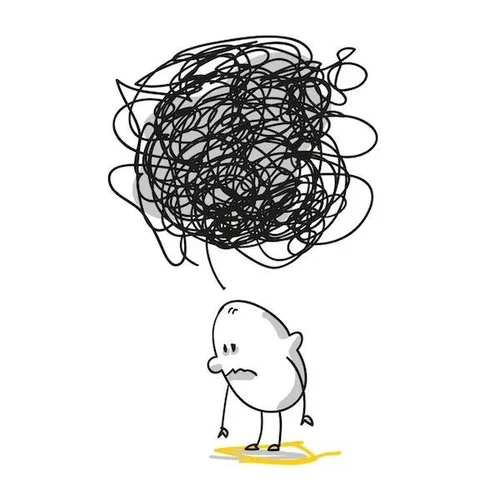
Why You Know What to Do… But Still Can’t Do It
You’ve thought about it. Planned for it. Maybe even told yourself, “Tomorrow, I’ll start.”
And then tomorrow comes… and nothing changes.
If this sounds familiar, you’re not alone—and you’re not lazy.
One of the most frustrating experiences people bring into therapy is this exact disconnect: knowing what to do, but feeling unable to actually do it. Whether it’s starting a task, setting a boundary, or making a needed life change, the gap between insight and action can feel confusing, discouraging, and, at times, deeply frustrating.
But this gap is not a failure of motivation. It’s often a reflection of something deeper.
It’s Not About Willpower
We’re often taught that if we’re not following through, we just need more discipline. That if we try harder, push more, or hold ourselves more accountable, things will click.
But research and clinical experience suggest otherwise.
In I Know What to Do, So Why Don’t I Do It?, Nick Hall (2022) explains that difficulty taking action is not simply about laziness or a lack of willpower, but rather the result of competing emotional and physiological processes. Motivation is not constant—it fluctuates and can become fatigued, especially when we’re already overwhelmed or under stress.
In other words, the issue isn’t that you don’t know what to do.
It’s that something is getting in the way of doing it.
The Role of Emotion (Not Logic)
Many people assume that behavior is driven by logic. If that were true, knowing what’s “best” would be enough.
But behavior is far more influenced by emotion than we tend to realize.
Procrastination, avoidance, and inaction are often forms of emotional regulation, not time management problems. We avoid tasks not because we don’t care—but because they bring up discomfort. That discomfort might look like anxiety, self-doubt, fear of failure, or even fear of success.
Hall (2022) emphasizes that action is shaped by how we feel about a task, not just what we think about it. When a task becomes associated with discomfort, the brain naturally moves away from it—even if the task itself is important or meaningful.
Why High-Functioning People Struggle Here
This disconnect is especially common in people who appear “high-functioning.”
On the outside, things often look steady and manageable:
You’re responsible
You get things done (eventually)
You show up for others
But internally, the experience can feel very different:
Overthinking everything
Difficulty starting or finishing tasks
Mental exhaustion
A constant sense of pressure
Because you can function, it becomes easy to assume you should function better. And when that expectation isn’t met, it can quickly turn into self-criticism.
That’s often where shame starts to build.
The Thought–Action Gap
Another important piece of this is how we mentally represent the things we need to do.
Hall (2022) describes how we don’t respond to reality itself, but to the mental images and beliefs we attach to it. If your internal narrative around a task is tied to past failure, criticism, or pressure, your brain reacts to that story, not the task itself.
This is why something small—like sending an email or starting a project—can feel disproportionately difficult.
It’s not the task.
It’s everything your brain has linked to it.
Why This Feels So Frustrating
When you know what to do but can’t follow through, it creates a very specific kind of frustration:
“Why can’t I just do it?”
“What’s wrong with me?”
“Other people don’t struggle like this.”
Over time, this internal dialogue can shift into self-criticism. And unfortunately, that tends to make action even harder.
Because when shame increases, avoidance tends to increase with it—creating a cycle that can feel difficult to break.
What Actually Helps
Closing the gap between knowing and doing isn’t about pushing harder—it’s about understanding what’s underneath.
In therapy, this often involves:
Identifying the emotional barriers connected to tasks
Understanding patterns like avoidance, perfectionism, or overwhelm
Reducing the pressure tied to performance
Building more realistic and sustainable ways of taking action
When we shift from “Why can’t I just do this?” to “What’s making this hard?”, the conversation changes—and so does the outcome.
Final Thoughts
If you’ve been stuck in the cycle of knowing but not doing, it doesn’t mean you’re unmotivated or incapable.
It often means your brain is responding to something that hasn’t been fully addressed yet.
And that’s something worth understanding—not judging.
References (APA 7th Edition)
Hall, N. (2022). I know what to do, so why don’t I do it? Mind your emotions to end procrastination and achieve all your goals (2nd ed.). G&D M
You’ve thought about it. Planned for it. Maybe even told yourself, “Tomorrow, I’ll start.”
And then tomorrow comes… and nothing changes.
If this sounds familiar, you’re not alone—and you’re not lazy.
One of the most frustrating experiences people bring into therapy is this exact disconnect: knowing what to do, but feeling unable to actually do it. Whether it’s starting a task, setting a boundary, or making a needed life change, the gap between insight and action can feel confusing, discouraging, and, at times, deeply frustrating.
But this gap is not a failure of motivation. It’s often a reflection of something deeper.
It’s Not About Willpower
We’re often taught that if we’re not following through, we just need more discipline. That if we try harder, push more, or hold ourselves more accountable, things will click.
But research and clinical experience suggest otherwise.
In I Know What to Do, So Why Don’t I Do It?, Nick Hall (2022) explains that difficulty taking action is not simply about laziness or a lack of willpower, but rather the result of competing emotional and physiological processes. Motivation is not constant—it fluctuates and can become fatigued, especially when we’re already overwhelmed or under stress.
In other words, the issue isn’t that you don’t know what to do.
It’s that something is getting in the way of doing it.
The Role of Emotion (Not Logic)
Many people assume that behavior is driven by logic. If that were true, knowing what’s “best” would be enough.
But behavior is far more influenced by emotion than we tend to realize.
Procrastination, avoidance, and inaction are often forms of emotional regulation, not time management problems. We avoid tasks not because we don’t care—but because they bring up discomfort. That discomfort might look like anxiety, self-doubt, fear of failure, or even fear of success.
Hall (2022) emphasizes that action is shaped by how we feel about a task, not just what we think about it. When a task becomes associated with discomfort, the brain naturally moves away from it—even if the task itself is important or meaningful.
Why High-Functioning People Struggle Here
This disconnect is especially common in people who appear “high-functioning.”
On the outside, things often look steady and manageable:
You’re responsible
You get things done (eventually)
You show up for others
But internally, the experience can feel very different:
Overthinking everything
Difficulty starting or finishing tasks
Mental exhaustion
A constant sense of pressure
Because you can function, it becomes easy to assume you should function better. And when that expectation isn’t met, it can quickly turn into self-criticism.
That’s often where shame starts to build.
The Thought–Action Gap
Another important piece of this is how we mentally represent the things we need to do.
Hall (2022) describes how we don’t respond to reality itself, but to the mental images and beliefs we attach to it. If your internal narrative around a task is tied to past failure, criticism, or pressure, your brain reacts to that story, not the task itself.
This is why something small—like sending an email or starting a project—can feel disproportionately difficult.
It’s not the task.
It’s everything your brain has linked to it.
Why This Feels So Frustrating
When you know what to do but can’t follow through, it creates a very specific kind of frustration:
“Why can’t I just do it?”
“What’s wrong with me?”
“Other people don’t struggle like this.”
Over time, this internal dialogue can shift into self-criticism. And unfortunately, that tends to make action even harder.
Because when shame increases, avoidance tends to increase with it—creating a cycle that can feel difficult to break.
What Actually Helps
Closing the gap between knowing and doing isn’t about pushing harder—it’s about understanding what’s underneath.
In therapy, this often involves:
Identifying the emotional barriers connected to tasks
Understanding patterns like avoidance, perfectionism, or overwhelm
Reducing the pressure tied to performance
Building more realistic and sustainable ways of taking action
When we shift from “Why can’t I just do this?” to “What’s making this hard?”, the conversation changes—and so does the outcome.
Final Thoughts
If you’ve been stuck in the cycle of knowing but not doing, it doesn’t mean you’re unmotivated or incapable.
It often means your brain is responding to something that hasn’t been fully addressed yet.
And that’s something worth understanding—not judging.
References (APA 7th Edition)
Hall, N. (2022). I know what to do, so why don’t I do it? Mind your emotions to end procrastination and achieve all your goals (2nd ed.). G&D Media.