

May 7, 2026
May Is Maternal Mental Health Awareness Month: Let’s Talk About What Isn’t Always Said
May is Maternal Mental Health Awareness Month—a time meant to bring attention to something many women experience, but far fewer openly talk about.
When people think about pregnancy or becoming a mother, the conversation is often centered around joy, bonding, and fulfillment. And while those moments absolutely exist, they do not tell the whole story. For many women, this season also includes anxiety that does not quiet down, emotional overwhelm, unexpected sadness, intrusive thoughts, or a sense of feeling disconnected from themselves.
Maternal mental health refers to a woman’s emotional and psychological well-being during pregnancy, the postpartum period, and the broader transition into motherhood. It is not limited to the first few weeks after birth—the perinatal period can extend through pregnancy and the first year postpartum, with mental health concerns emerging at any point (National Institute for Children’s Health Quality [NICHQ], n.d.). What often gets missed in these conversations is just how common these struggles are. Maternal mental health conditions, including postpartum depression and anxiety, are among the most common complications of pregnancy and childbirth (NICHQ, n.d.). In the United States, it is estimated that approximately 1 in 5 women experience a maternal mental health condition during pregnancy or postpartum, yet many do not receive treatment or support (Georgetown University Center for Children and Families, 2023; Postpartum Support International, n.d.).
That gap matters.
There is still enormous pressure placed on mothers to appear grateful, capable, and emotionally fulfilled at all times. The expectation that this should automatically be “the happiest time of your life” can make it harder to admit when something feels off. Instead of saying, “I’m struggling,” many women minimize what they are experiencing or convince themselves they should be able to manage it better. But maternal mental health challenges are not a sign of weakness or failure. There are real emotional, physical, hormonal, and environmental factors involved. Hormonal shifts, sleep deprivation, identity changes, and increased responsibility all play a role in emotional well-being during this time (Maternal Mental Health Alliance, n.d.). When combined with limited support or preexisting mental health concerns, it becomes easier to understand why this transition can feel heavier than expected.
For some women, the signs are obvious. For others, they are quieter and easier to overlook. It may look like constant worry, irritability, emotional numbness, difficulty sleeping even when exhausted, panic, feeling disconnected from the baby, or distressing thoughts that feel unfamiliar. Some women describe feeling like they are “failing” despite doing everything they can to hold things together.
And importantly, many women experience these emotions while also deeply loving their child.
Those experiences are not contradictory. You can feel grateful and overwhelmed at the same time. You can love your child deeply and still struggle emotionally. Acknowledging that reality is part of reducing the shame that keeps so many mothers silent.
Maternal Mental Health Awareness Month exists to help shift this conversation. Advocacy organizations continue to emphasize the importance of awareness, early intervention, and access to care for mothers across the perinatal period (Postpartum Support International, n.d.; NICHQ, n.d.; Maternal Mental Health Alliance, n.d.).
The policy side of this conversation matters too. Barriers such as limited access to providers, gaps in insurance coverage, workforce shortages, and disparities in care continue to impact whether mothers receive timely mental health support (Georgetown University Center for Children and Families, 2023). These challenges disproportionately affect marginalized and underserved communities, further widening gaps in care.
This is also where therapy can play an important role.
Therapy during pregnancy or postpartum is not about being a “bad mother” or needing to be fixed. It can be a space to process change, reduce isolation, manage anxiety or depression, and build practical tools for navigating daily life. For many women, it becomes one of the first places where they can speak honestly about what they are feeling without fear of judgment.
Maternal mental health awareness is ultimately about creating more honest conversations and stronger systems of support. Because when mothers are supported emotionally, entire families benefit.
And if you are in this season right now and it feels heavier than you expected, you are not alone. Help exists, support exists, and struggling does not make you inadequate—it makes you human.
References (APA 7th Edition)
Georgetown University Center for Children and Families. (2023, May 25). Maternal mental health month shines light on need for policy solutions. https://ccf.georgetown.edu/2023/05/25/maternal-mental-health-month-shines-light-on-need-for-policy-solutions/
Maternal Mental Health Alliance. (n.d.). Maternal mental health awareness week. https://maternalmentalhealthalliance.org/get-involved/maternal-mental-health-awareness-week/
National Institute for Children’s Health Quality. (n.d.). Maternal mental health awareness month. https://nichq.org/campaigns/maternal-mental-health-awareness-month/
Postpartum Support International. (n.d.). Maternal mental health month. https://postpartum.net/join-us/maternal-mental-health-month/

April 22, 2026
Vitamin D & Mental Health: Why It Matters More Than You Think
Vitamin D is often talked about in terms of physical health—strong bones, immune support, overall wellness—but its role in mental health is just as important and often overlooked. What makes Vitamin D unique is that it functions more like a hormone than a typical vitamin, influencing multiple systems in the body, including the brain. It crosses the blood-brain barrier and plays a role in how our brain communicates, regulates mood, and responds to stress.
Research has shown that Vitamin D is involved in the production and regulation of neurotransmitters like serotonin, which directly impacts mood, sleep, and emotional stability (Psychiatric Times, 2024). It also plays a role in reducing inflammation in the body—something that is increasingly being linked to depression and other mental health conditions. When Vitamin D levels are low, these systems don’t function as efficiently, which can contribute to shifts in mood, energy, and overall emotional well-being.
This connection becomes even more relevant when looking at the relationship between Vitamin D deficiency and depression. Studies have consistently found that individuals with lower levels of Vitamin D are more likely to experience depressive symptoms, including persistent sadness, low motivation, and fatigue (Akpınar, 2022). Some research also suggests that supplementation may help reduce symptoms and improve quality of life, particularly for individuals who are already deficient (Guzek et al., 2021). At the same time, the findings are not completely uniform, which highlights an important point—Vitamin D is not a cure, but it can be a meaningful piece of the larger mental health picture.
There is also growing evidence that Vitamin D may play a role in anxiety and emotional regulation. While this area is still being explored, deficiency has been associated with increased anxiety symptoms and heightened stress responses (Akpınar, 2022). Because Vitamin D influences brain signaling and inflammation, it may impact how the body processes and reacts to stress, which can show up as feeling more on edge, overwhelmed, or mentally fatigued.
For many people, especially those living in areas with long winters or limited sunlight, this connection becomes even more noticeable. Reduced exposure to sunlight can lead to lower Vitamin D levels, which is often linked to seasonal mood changes, including conditions like Seasonal Affective Disorder. During these times, people may notice lower energy, changes in sleep, and a general sense of heaviness or lack of motivation. While this is often attributed solely to environmental factors, there is also a physiological component at play.
What makes this especially important is how common Vitamin D deficiency is—and how easily it can go unnoticed. Many of the symptoms, such as fatigue, brain fog, irritability, or low mood, overlap with mental health concerns, which can make it difficult to identify the root cause. In some cases, addressing a deficiency can lead to noticeable improvements in how someone feels day to day.
At the same time, it’s important to keep a balanced perspective. Mental health is complex and influenced by many factors, including life stressors, relationships, sleep, and overall lifestyle. Vitamin D is one piece of that puzzle—not a replacement for therapy, support, or other forms of treatment. Instead, it can be thought of as part of a more comprehensive approach to care.
Supporting healthy Vitamin D levels can be relatively simple. Regular sunlight exposure, even in small amounts, can help the body produce what it needs. Incorporating foods like fatty fish, egg yolks, and fortified products can also contribute, and in some cases, supplementation may be recommended based on individual needs. Checking levels through routine lab work can provide clarity and help guide next steps.
When you step back and look at the bigger picture, Vitamin D highlights something important: mental health is not just about what’s happening in your mind—it’s also connected to what’s happening in your body. If your energy feels low, your mood feels off, or your mind feels harder to settle, it may not be just psychological. Sometimes, it’s also your body signaling that something is missing.
References
Akpınar, Ş. (2022). Is vitamin D important in anxiety or depression? National Center for Biotechnology Information. https://pmc.ncbi.nlm.nih.gov/articles/PMC9468237/
Guzek, D., et al. (2021). Association between vitamin D supplementation and mental health. National Center for Biotechnology Information. https://pmc.ncbi.nlm.nih.gov/articles/PMC8584834/
Psychiatric Times. (2024). Mental health in the sun: The role of vitamin D deficiency in mental illness. https://www.psychiatrictimes.com/view/mental-health-in-the-sun-the-role-of-vitamin-d-deficiency-in-mental-illness

April 14, 2026
Why Rest Feels Uncomfortable
(And What Your Brain Is Doing)
You finally get a moment to pause.
The to-do list is quieter. The emails are caught up. There’s space to breathe.
And instead of feeling better… you feel worse.
Your mind starts racing, your body feels restless, and thoughts you’ve been pushing aside suddenly feel louder. If this has ever happened to you, it can feel confusing. You might find yourself wondering, “I wanted a break—so why does this feel so uncomfortable?” The reality is, you’re not doing anything wrong. This is a very common experience, especially for people who are used to staying busy and functioning at a high level.
When life is constantly moving, your attention is focused outward—on responsibilities, tasks, and what needs to happen next. That pace can be helpful, but it can also act as a kind of buffer. It keeps your mind occupied and makes it easier to avoid or postpone what’s happening internally. When things finally slow down, that distraction fades. What often shows up in its place isn’t something new, but something that hasn’t had the space to be noticed. Stress, anxiety, mental fatigue, or even sadness can become more apparent in those quieter moments. Slowing down doesn’t create those feelings—it reveals them.
There’s also a physical component to this that can make the experience feel even more uncomfortable. When you’ve been operating in a constant state of “go,” your body adapts. Stress hormones like cortisol and adrenaline help you stay focused and productive, but they also keep your system activated. When the pressure finally lifts, your body doesn’t always settle immediately. Instead, it can feel like a drop or shift—sometimes referred to as the “let-down effect”—where you notice increased fatigue, irritability, or emotional discomfort once things calm down (U.S. News & World Report, 2016). What feels like things getting worse is often your system adjusting after being in a heightened state for too long.
For many people, especially those who are used to being reliable, productive, and “on top of things,” slowing down can feel unfamiliar in a deeper way. Over time, staying busy can become more than just a habit—it can become a way of coping. Productivity creates structure, reduces uncertainty, and can even quiet anxiety in the moment. When that structure is removed, there can be a sense of unease. High-functioning anxiety often operates this way, where constant movement helps keep internal discomfort contained. When the movement stops, the internal experience becomes more noticeable (Freud, 2023).
Without the usual distractions, the mind tends to fill the space. You might start thinking about things you’ve been putting off, replaying conversations, or worrying about decisions you haven’t fully addressed. Even small stressors can feel bigger in the quiet. It’s not that your thoughts have suddenly become more intense—it’s that you’re finally able to hear them without interruption. And if you’re not used to sitting with that, it can feel overwhelming.
Because of this, it’s very natural to want to fill the space again. You might reach for your phone, find something to clean, or add more to your to-do list, even when you don’t need to. In the moment, this works. It reduces discomfort and gives your mind something to focus on. But over time, it can reinforce the idea that slowing down isn’t safe or helpful, making it harder to access rest in a way that actually feels restorative.
What tends to help isn’t forcing yourself to relax or trying to get it “right.” It’s allowing yourself to adjust to a slower pace gradually. That might mean taking shorter pauses instead of expecting yourself to fully unwind all at once, or noticing what comes up without immediately trying to fix it. It can also look like reminding yourself that discomfort doesn’t mean something is wrong—it often just means something is being processed.
Over time, as your system gets more familiar with slowing down, it becomes less uncomfortable. What initially feels restless or overwhelming can start to feel more manageable, and eventually, more supportive.
If you feel worse when you finally slow down, it doesn’t mean you’re bad at resting. It usually means your mind and body are catching up after running for a long time. And that’s not something to judge—it’s something to understand.
References
Freud, K. (2023). Why slowing down feels so hard with high-functioning anxiety. https://karenfreud.com/blog/why-slowing-down-feels-so-hard-with-high-functioning-anxiety
U.S. News & World Report. (2016). The let-down effect: Why you might feel bad after the pressure is off. https://health.usnews.com
April 9, 2026
Why You Know What to Do… But Still Can’t Do It
You’ve thought about it. Planned for it. Maybe even told yourself, “Tomorrow, I’ll start.”
And then tomorrow comes… and nothing changes.
If this sounds familiar, you’re not alone—and you’re not lazy.
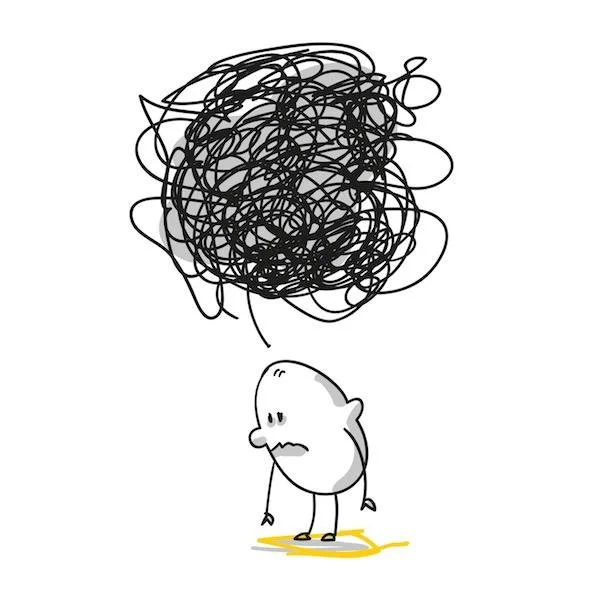
One of the most frustrating experiences people bring into therapy is this exact disconnect: knowing what to do, but feeling unable to actually do it. Whether it’s starting a task, setting a boundary, or making a needed life change, the gap between insight and action can feel confusing, discouraging, and, at times, deeply frustrating.
But this gap is not a failure of motivation. It’s often a reflection of something deeper.
It’s Not About Willpower
We’re often taught that if we’re not following through, we just need more discipline. That if we try harder, push more, or hold ourselves more accountable, things will click.
But research and clinical experience suggest otherwise.
In I Know What to Do, So Why Don’t I Do It?, Nick Hall (2022) explains that difficulty taking action is not simply about laziness or a lack of willpower, but rather the result of competing emotional and physiological processes. Motivation is not constant—it fluctuates and can become fatigued, especially when we’re already overwhelmed or under stress.
In other words, the issue isn’t that you don’t know what to do.
It’s that something is getting in the way of doing it.
The Role of Emotion (Not Logic)
Many people assume that behavior is driven by logic. If that were true, knowing what’s “best” would be enough.
But behavior is far more influenced by emotion than we tend to realize.
Procrastination, avoidance, and inaction are often forms of emotional regulation, not time management problems. We avoid tasks not because we don’t care—but because they bring up discomfort. That discomfort might look like anxiety, self-doubt, fear of failure, or even fear of success.
Hall (2022) emphasizes that action is shaped by how we feel about a task, not just what we think about it. When a task becomes associated with discomfort, the brain naturally moves away from it—even if the task itself is important or meaningful.
Why High-Functioning People Struggle Here
This disconnect is especially common in people who appear “high-functioning.”
On the outside, things often look steady and manageable:
You’re responsible
You get things done (eventually)
You show up for others
But internally, the experience can feel very different:
Overthinking everything
Difficulty starting or finishing tasks
Mental exhaustion
A constant sense of pressure
Because you can function, it becomes easy to assume you should function better. And when that expectation isn’t met, it can quickly turn into self-criticism.
That’s often where shame starts to build.
The Thought–Action Gap
Another important piece of this is how we mentally represent the things we need to do.
Hall (2022) describes how we don’t respond to reality itself, but to the mental images and beliefs we attach to it. If your internal narrative around a task is tied to past failure, criticism, or pressure, your brain reacts to that story, not the task itself.
This is why something small—like sending an email or starting a project—can feel disproportionately difficult.
It’s not the task.
It’s everything your brain has linked to it.
Why This Feels So Frustrating
When you know what to do but can’t follow through, it creates a very specific kind of frustration:
“Why can’t I just do it?”
“What’s wrong with me?”
“Other people don’t struggle like this.”
Over time, this internal dialogue can shift into self-criticism. And unfortunately, that tends to make action even harder.
Because when shame increases, avoidance tends to increase with it—creating a cycle that can feel difficult to break.
What Actually Helps
Closing the gap between knowing and doing isn’t about pushing harder—it’s about understanding what’s underneath.
In therapy, this often involves:
Identifying the emotional barriers connected to tasks
Understanding patterns like avoidance, perfectionism, or overwhelm
Reducing the pressure tied to performance
Building more realistic and sustainable ways of taking action
When we shift from “Why can’t I just do this?” to “What’s making this hard?”, the conversation changes—and so does the outcome.
Final Thoughts
If you’ve been stuck in the cycle of knowing but not doing, it doesn’t mean you’re unmotivated or incapable.
It often means your brain is responding to something that hasn’t been fully addressed yet.
And that’s something worth understanding—not judging.
References (APA 7th Edition)
Hall, N. (2022). I know what to do, so why don’t I do it? Mind your emotions to end procrastination and achieve all your goals (2nd ed.). G&D Media.

April 2, 2026
Spring Break Pressure: When “Fun” Feels Like a Lot for Parents
Spring break is supposed to feel fun—but for many parents, it comes with pressure.
Pressure to plan something memorable. Pressure to keep kids entertained. Pressure to make the week feel special. And for many families, pressure to spend money—on trips, camps, and activities—at a time when everything already feels expensive.
While spring break is often portrayed as a carefree pause from routine, the reality for many parents looks very different. In fact, school breaks can create additional stress, not only because of increased childcare demands, but also because they disrupt the structure and support that families rely on during the school year.
One often overlooked stressor is financial. When school is in session, many families rely on consistent access to free or reduced-price meals. During spring break, that support disappears, leaving parents to fill the gap with additional grocery costs at a time when household budgets are already strained (Food Research & Action Center [FRAC], 2026). For some families, this can mean providing an extra 10 or more meals per child in a single week without any increase in income (Feed the Children, n.d.). As the cost of living continues to rise, these added expenses can significantly increase stress and pressure at home (FRAC, 2026).
Beyond finances, there is also the emotional pressure parents carry. It is easy to fall into the comparison trap—seeing curated images of vacations and activities and wondering if you are doing enough. Many parents begin to question themselves: Am I giving my kids enough? Are they missing out?
This kind of thinking is understandable, but it can also be misleading.
From a clinical perspective, children do not need a perfectly planned or highly stimulating week to feel secure and supported. In fact, research and clinical experience consistently show that children benefit from predictability, connection, and emotional availability more than constant entertainment.
When school is out, routines shift—and that can feel unsettling for both parents and children. Structure plays an important role in regulating mood, behavior, and even physical health. When that structure is removed, families may feel more dysregulated, which can increase stress levels across the household (Hopkins et al., 2023). This is often when parents feel the greatest pressure to “fill the gaps” with activities.
But filling every moment is not necessary—and in many cases, not helpful.
Children benefit from slower, unstructured time. Moments of boredom can support creativity, problem-solving, and independence. Simple activities—like watching a movie together, running errands, or spending time at home—can provide meaningful opportunities for connection and stability.
What matters most is not how much is planned, but how present and emotionally available a parent is during that time.
It is also important to acknowledge that stress during school breaks is not just about logistics—it is about the emotional weight parents carry. For some families, spring break highlights deeper concerns around financial stability, food access, and caregiving demands. These stressors can impact not only parents’ well-being but also children’s emotional and physical health (Feed the Children, n.d.).
If spring break feels more overwhelming than enjoyable, it may be a signal to scale things back.
Letting go of the expectation to create a “perfect” week can reduce pressure and allow for a more grounded, manageable experience. Children do not need a highlight reel—they need consistency, connection, and a sense of safety.
Keeping things simple is not a failure. In many ways, it is exactly what children need.
References
Feed the Children. (n.d.). Hungry kids during spring break: A real issue in the U.S. https://www.feedthechildren.org/our-work/stories/hungry-kids-during-spring-break-a-real-issue-in-the-u-s/
Food Research & Action Center. (2026). Let’s be crystal clear: Spring break highlights a hunger gap we can—and must—close. https://frac.org/blog/lets-be-crystal-clear-spring-break-highlights-a-hunger-gap-we-can-and-must-close
Hopkins, L., et al. (2023). Patterns of participation in summer programming among children from low-income households. https://pmc.ncbi.nlm.nih.gov/articles/PMC10598049/

March 18, 2026
On Paper, You’re Thriving. Inside, You’re Exhausted.
From the outside, it looks like you have it together.
You’re meeting deadlines. Showing up to meetings. Answering emails. Managing responsibilities. Maybe even advancing in your career.
But internally, it’s a different story.
Your mind doesn’t shut off. You replay conversations. You overthink decisions that shouldn’t feel this heavy. There’s a constant pressure to stay on top of everything—because if you’re not, something might slip.
And most people don’t see that part.
Anxiety in high-functioning professionals doesn’t always look like panic. More often, it looks like competence.
It shows up as over-preparing, staying mentally “on” long after the workday ends, and holding yourself to a standard that keeps moving just out of reach. You might have a hard time relaxing without feeling guilty, or find yourself questioning whether you’re doing enough—even when there’s plenty of evidence that you are.
People experiencing high-functioning anxiety often appear capable and successful on the outside, while internally managing ongoing pressure, worry, and self-doubt (NewYork-Presbyterian, 2023). In a lot of ways, it blends in so well that it can be hard to recognize—even for the person experiencing it.
Part of what makes this so tricky is that in many corporate environments, these patterns are reinforced. Being detail-oriented, responsive, and always available is often rewarded. You might be known as reliable, driven, or someone who always delivers.
But what’s underneath that performance often gets missed.
There’s a quiet cycle that can develop over time: you feel anxious, so you push harder. You succeed, which reinforces the idea that the anxiety is necessary. And slowly, that pressure starts to feel like the thing holding everything together.
Because you’re still functioning—often at a high level—it’s easy to tell yourself nothing is really wrong. But research and clinical insight continue to show that many professionals maintain high levels of performance while experiencing significant internal stress, often without ever seeking support (McLean Hospital, 2025; Starner, 2024).
A lot of people in these roles don’t talk about their anxiety—not because it isn’t there, but because of what it might mean to admit it.
There’s often a quiet narrative running in the background: I should be able to handle this. This is just part of the job. If I slow down, everything will fall apart.
And in leadership or high-responsibility roles, there can be an added pressure to appear steady, capable, and in control. Conversations around executive mental health are starting to acknowledge just how common anxiety is at higher levels of responsibility, even if it’s rarely talked about openly (Starner, 2024; Hyder, 2021).
So instead, you keep going.
Even when you’re exhausted.
At some point, though, it starts to show up in other ways. Your mind won’t shut off at night. You feel tense even during downtime. You’re physically present, but mentally still working through your to-do list. Small things start to feel heavier than they should.
High-functioning anxiety tends to run on a loop—where productivity temporarily relieves the anxiety, but never actually resolves it (Anderson, 2025). So you keep doing more, thinking it will eventually feel easier.
But it usually doesn’t.
Most high-functioning professionals don’t need more strategies for doing more. What they often need is space to step out of constant pressure.
That can start with noticing when anxiety—not intention—is driving your decisions. It can look like practicing boundaries without immediately labeling them as failure, or learning how to slow down without guilt taking over.
It also means beginning to untangle the idea that your worth is tied to how much you produce.
And that’s not always an easy shift—especially if pushing yourself is what’s helped you get where you are.
Therapy in this space isn’t about taking away your ambition or lowering your standards. It’s about helping you function without relying on constant pressure as your baseline.
That might look like learning how to respond differently to anxious thoughts, reducing the mental load you’re carrying, and creating a more sustainable way of showing up—not just at work, but in your life overall. Approaches like CBT and mindfulness-based strategies can be especially helpful in reducing anxiety while still supporting high levels of functioning (NewYork-Presbyterian, 2023).
You can be successful and struggling at the same time.
Both can be true.
And if you’ve been holding it together on the outside while feeling overwhelmed on the inside—you’re not the only one.
You don’t have to wait until things fall apart to take your anxiety seriously.
References:
Anderson, M. (2025). Managing high-functioning anxiety in professionals. https://drmalcolmanderson.net/2025/08/13/managing-high-functioning-anxiety-in-professionals/
Hyder, S. (2021). How conquering executive anxiety can make you a better, happier leader. Forbes. https://www.forbes.com/sites/shamahyder/2021/03/29/how-conquering-executive-anxiety-can-make-you-a-better-happier-leader/
McLean Hospital. (2025.). The silent strain: Top mental health concerns among executive leadership. https://www.mcleanhospital.org/news/silent-strain-top-mental-health-among-executive-leadership
NewYork-Presbyterian. (2023). What is high-functioning anxiety? https://healthmatters.nyp.org/what-is-high-functioning-anxiety/
Starner,T. (2024.). Heavy is the head that wears the crown: The state of CEO mental health. https://worldatwork.org/publications/workspan-daily/heavy-is-the-head-that-wears-the-crown-the-state-of-ceo-mental-health

March 12, 2026
Gen Z Anxiety and Chronic Stress: Why So Many Young Adults Feel Overwhelmed
In recent years, mental health professionals, educators, and researchers have increasingly focused on a growing trend: Generation Z is reporting higher levels of anxiety and chronic stress than previous generations. While stress has always been part of adolescence and early adulthood, many experts believe the intensity and persistence of what young people are experiencing today is different.
Generation Z—often defined as individuals born between 1997 and 2012—includes today’s teenagers, college students, and young adults entering the workforce. What makes this generation unique is the environment in which they have grown up. Gen Z is widely considered the first generation to be fully immersed in a digital world, where smartphones, social media, and constant connectivity have shaped everyday life from childhood through adulthood.
Research consistently shows that younger adults report higher stress levels compared to older generations. According to the American Psychological Association, many young adults report feeling overwhelmed by financial pressures, social expectations, and uncertainty about the future, contributing to elevated stress and anxiety levels among Gen Z (American Psychological Association, 2023). Similarly, global research examining generational stress trends found that Gen Z reports higher stress levels than any other generation, highlighting the unique pressures young people face today (GlobeScan, 2024).
One factor frequently discussed in relation to Gen Z mental health is the influence of social media and digital comparison. While online platforms offer connection and community, they also create environments where comparison is constant. Young people are often exposed to carefully curated versions of others’ lives, which can increase pressure to meet perceived standards of success and happiness. Research examining well-being among Generation Z suggests that external factors such as digital environments, societal expectations, and rapid social change can contribute to heightened stress and psychological strain (Dwidienawati, 2024).
Academic and career expectations can also contribute to this pressure. Many students feel they must maintain strong grades, participate in extracurricular activities, prepare early for competitive college or career paths, and build impressive resumes before entering adulthood. For high-achieving students, this environment can lead to perfectionism, burnout, and fear of failure, even when they are performing well by external standards.
Another important influence on Gen Z mental health is the developmental disruption that occurred during the COVID-19 pandemic. Many adolescents and young adults experienced significant interruptions during key developmental periods that typically involve social connection, independence, and identity formation. Social isolation, disrupted schooling, and uncertainty about the future occurred during a stage when young people are still developing emotional regulation and coping skills.
Clinicians and researchers have also noted increasing rates of social anxiety among Gen Z, particularly among young people who rely heavily on digital communication. While online communication can provide connection, it may reduce opportunities to develop confidence in face-to-face interactions and social environments. At the same time, mental health professionals note that Gen Z demonstrates an important strength: this generation is often more open to discussing mental health and seeking professional support than previous generations (National Social Anxiety Center, 2024).
Across therapy practices in Maryland and throughout the country, many Gen Z clients share a similar pattern. They often appear high-functioning externally but overwhelmed internally. Many are successful students or young professionals who continue to meet expectations, yet privately struggle with chronic anxiety, mental fatigue, perfectionism, and difficulty focusing. Executive functioning challenges—such as difficulty initiating tasks, organizing responsibilities, or managing deadlines—are also common and can intensify feelings of stress and self-criticism.
This pattern can be particularly confusing because these young adults often appear capable and motivated. They may still attend classes, maintain employment, or perform well academically, which can make it harder for others to recognize how much internal pressure they are experiencing. Many describe feeling as though they are constantly trying to keep up, even when they are doing well by traditional measures.
Understanding Gen Z anxiety is important not only for young people themselves but also for the families, educators, and communities around them. Parents often see their children working extremely hard but may not always realize how much emotional strain they are carrying. Educators are increasingly supporting students who are capable but overwhelmed, while employers are beginning to recognize that mental health and workplace expectations are closely connected as Gen Z enters the workforce.
Despite the challenges, Gen Z also brings strengths that can support positive mental health outcomes. Many young people today are highly emotionally aware, open to discussing mental health, and willing to seek professional support. Therapy can provide a space where young adults learn practical tools to manage anxiety, reduce perfectionism, and strengthen executive functioning skills. With the right support, many can develop healthier ways of balancing ambition, expectations, and well-being.
References
American Psychological Association. (2023). Gen Z adults and younger millennials are completely overwhelmed by stress. https://www.apa.org/topics/stress/generation-z-millennials-young-adults-worries
Dwidienawati, D. (2024). Factors influencing Generation Z wellbeing and stress. National Library of Medicine. https://pmc.ncbi.nlm.nih.gov/articles/PMC11683866/
GlobeScan. (2024, February 1). Insight of the week: Gen Z is experiencing more stress than any other generation. https://globescan.com/2024/02/01/insight-of-the-week-gen-z-is-experiencing-more-stress-than-any-other-generation/
National Social Anxiety Center. (2024, August 19). Social anxiety in Generation Z. https://nationalsocialanxietycenter.com/2024/08/19/social-anxiety-in-generation-z/

March 5, 2026
AI Therapy vs. Human Therapy:
What You Should Know Before Turning to Chatbots for Mental Health Support
Artificial intelligence (AI) is rapidly entering the mental health space. From therapy chatbots to mood-tracking apps and AI companions, many people are exploring digital tools to support their emotional well-being.
If you’ve found yourself wondering whether talking to an app might be enough support, you’re not alone. Many thoughtful, high-functioning adults are asking:
“If AI is available anytime, do I still need therapy with a human?”
The answer isn’t black and white. AI tools can be helpful in certain situations — and at the same time, they have important limitations. Understanding the difference can help you make the most informed and supportive choice for your mental health.
The Rise of AI in Mental Health Support
There’s a reason AI mental health tools have grown quickly in popularity. Many platforms offer:
24/7 accessibility
Immediate responses
Lower-cost or free options
Guided coping exercises
Mood tracking and journaling prompts
For someone who feels hesitant about starting therapy, overwhelmed by the process, or simply curious about self-help, these tools can feel like a gentle first step.
Experts note that AI has the potential to expand access to basic mental health resources and psychoeducation, particularly for individuals who face barriers to traditional care (Johns Hopkins Bloomberg School of Public Health, 2026; National Alliance on Mental Illness [NAMI], 2024).
Used thoughtfully, AI can serve as a supportive adjunct tool. However, supportive tools are not the same as clinical treatment.
Why AI Support Is Different From Human Therapy
While AI can simulate conversation, therapy with a licensed clinician involves something much deeper and more personalized.
Human therapy includes clinical assessment, ethical and legal accountability, individualized treatment planning, risk evaluation, and real-time emotional attunement. Therapists also draw on years of training and supervised experience to understand patterns in a client’s history, relationships, and emotional responses.
AI systems generate responses based on patterns in data. They do not truly understand a person’s lived experience, trauma history, or the subtle ways emotions and behaviors change over time (Mental Health Journal, 2025).
Therapy is not simply conversation — it is a structured healthcare service grounded in professional training, ethical responsibility, and the therapeutic relationship.
Clinical and Ethical Risks of AI in Mental Health Care
While AI tools may be helpful for mild stress or self-reflection, relying on them as a primary form of mental health care raises several concerns.
Research suggests AI systems may oversimplify complex psychological experiences or miss important diagnostic indicators that trained clinicians would explore more deeply (U.S. National Library of Medicine, 2024). In addition, AI chatbots are not equipped to conduct full suicide risk assessments or intervene during mental health crises. Stanford researchers have found that some therapy chatbots struggled to respond appropriately to high-risk mental health scenarios (Stanford Human-Centered Artificial Intelligence Institute, 2025).
There are also broader ethical considerations. Mental health conversations contain highly personal information, yet many AI platforms are not bound by the same confidentiality and ethical standards required of licensed clinicians. Users may not fully understand how their data are stored, used, or shared (National Alliance on Mental Illness, 2024).
Public health experts have also raised concerns about algorithmic bias. Because AI systems are trained on existing datasets, they may interpret symptoms differently across cultural or demographic groups, potentially widening disparities in care (Johns Hopkins Bloomberg School of Public Health, 2026).
For these reasons, many experts emphasize that AI tools should be used cautiously and ideally alongside human clinical oversight.
When AI Tools May Be Helpful — and When Human Support Matters More
AI mental health tools can be useful for certain purposes, such as tracking mood patterns, practicing coping skills, engaging in guided journaling, or learning basic psychoeducation. Some individuals also find them helpful while waiting to access therapy or as a supplement between sessions.
However, working with a licensed therapist is especially important when someone is experiencing persistent anxiety or depression, trauma-related concerns, ADHD or executive functioning challenges, relationship stress, grief, or significant life transitions.
Therapy provides something that technology cannot replicate: a real human relationship where someone is listening carefully, asking thoughtful questions, and helping you understand patterns that may not be obvious on your own.
Telehealth has also made therapy more accessible than ever, allowing many people to receive personalized care from the comfort of home while still benefiting from meaningful human connection.
Wondering What Kind of Support Is Right for You?
If you’ve been exploring AI tools but still feel like something is missing, you’re not doing anything wrong. Many thoughtful, capable adults try to manage things on their own first. Turning to apps, podcasts, or self-help tools can be a meaningful step toward understanding what you’re experiencing.
But sometimes what people are really needing isn’t more information — it’s a space to slow down, feel understood, and talk through what’s actually underneath the stress or overwhelm.
While technology can offer helpful reminders or coping strategies, it can’t replace the experience of sitting with a trained professional who can listen, ask thoughtful questions, and help you make sense of what you’re going through.
If you’re feeling stretched thin, managing anxiety, navigating ADHD or executive functioning challenges, or simply wondering whether additional support could help, therapy can offer a place to explore that without pressure or judgment.
You don’t have to have everything figured out before reaching out. Curiosity is enough.
And when you’re ready, meaningful, human support is available.
References:
Johns Hopkins Bloomberg School of Public Health. (2026). Experts discuss the impact of AI on mental health. Johns Hopkins University. https://publichealth.jhu.edu/2026/experts-discuss-the-impact-of-ai-on-mental-health
National Alliance on Mental Illness. (2024). AI and mental health. https://www.nami.org/ai-and-mental-health/
Stanford Human-Centered Artificial Intelligence Institute. (2025). Exploring the dangers of AI in mental health care. Stanford University. https://hai.stanford.edu/news/exploring-the-dangers-of-ai-in-mental-health-care
U.S. National Library of Medicine. (2024). Artificial intelligence in mental health care (PMC11687125). PubMed Central. https://pmc.ncbi.nlm.nih.gov/articles/PMC11687125/
Mental Health Journal. (2025). Minds in crisis: How the AI revolution is impacting mental health. https://www.mentalhealthjournal.org/articles/minds-in-crisis-how-the-ai-revolution-is-impacting-mental-health.html

February 24, 2026
What Is Neurodivergence? A Guide to Understanding Neurodiversity and Support
In recent years, the term neurodivergence has become more visible in conversations about mental health, education, and workplace inclusion. Yet many people are still unsure what it truly means—or how it may relate to their own experiences or those of their children.
Understanding neurodivergence through a compassionate, evidence-informed lens can reduce stigma, support self-awareness, and promote more effective care.
What Is Neurodivergence?
Neurodivergence refers to natural variations in how the brain develops and functions. A neurodivergent person’s brain processes information, learns, communicates, or experiences the environment differently from what is considered neurotypical (Cleveland Clinic, n.d.).
The broader concept of neurodiversity recognizes that these neurological differences are part of normal human variation rather than inherently deficits (Northwestern Medicine, n.d.). Rather than viewing differences as problems to be “fixed,” the neurodiversity framework emphasizes understanding, accommodation, and support.
Common neurodivergent identities and diagnoses include:
Autism spectrum disorder (ASD)
Attention-deficit/hyperactivity disorder (ADHD)
Dyslexia and other learning differences
Dyspraxia
Tourette syndrome
Importantly, neurodivergence is not a single condition but an umbrella term describing many neurological profiles.
How Common Is Neurodivergence?
Neurodivergence is more common than many people realize. Estimates suggest a meaningful portion of the population has learning, attention, or developmental differences that fall under the neurodiversity umbrella.
Increased awareness, improved screening, and better understanding of how neurodivergence presents—especially in girls, women, and culturally diverse populations—have contributed to more frequent identification in recent years.
Strengths Often Associated With Neurodivergence
While neurodivergent individuals may experience challenges in environments designed for neurotypical norms, many also demonstrate distinct strengths.
Research and clinical observations commonly note:
Creative or divergent thinking
Strong pattern recognition
Deep focus on areas of interest
High attention to detail
Innovative problem-solving
A strengths-based lens does not ignore areas of difficulty. Instead, it supports a more balanced and respectful understanding of neurodivergent individuals (NNLM, n.d.).
Common Challenges Neurodivergent Individuals May Face
Because many systems (schools, workplaces, and social expectations) are built around neurotypical norms, neurodivergent individuals may experience increased stress or mismatch with their environments.
Executive functioning differences
Organization and time management
Task initiation
Working memory
Sensory sensitivities
Heightened responses to noise, light, textures, or crowds
Sensory overload and fatigue
Social communication differences
Interpreting social cues
Navigating unspoken social rules
Masking or camouflaging behaviors
Emotional regulation differences
Heightened stress responses
Burnout
Anxiety or depression secondary to chronic stress
It is important to note that not every neurodivergent person experiences the same challenges, and support needs vary widely.
The Impact of Late Identification
Many adolescents and adults—particularly women, people of color, and high-masking individuals—are identified later in life. Increased awareness has helped highlight groups that were historically underdiagnosed.
Late identification can bring complex emotions.
Potential relief
Greater self-understanding
Language for lifelong experiences
Access to appropriate supports
Possible grief or frustration
Feeling misunderstood in the past
Burnout from years of masking
Missed accommodations or support
Supportive therapy can be especially helpful during this adjustment process.
How Therapy Supports Neurodiversity
Neurodiversity-affirming therapy shifts the focus from trying to make neurodivergent individuals appear neurotypical to helping them function, cope, and thrive in ways that honor their neurological differences (University of St. Augustine for Health Sciences, 2023).
Key principles of neurodiversity-affirming therapy
1. Respect for neurological differences
Therapy recognizes neurodivergence as a natural variation in human brains rather than something inherently disordered.
2. Strengths-based approach
Clinicians intentionally identify and build upon client strengths alongside addressing areas of difficulty.
3. Reduction of harmful masking
Rather than encouraging constant camouflage of traits, therapy supports authenticity while teaching context-appropriate coping skills.
4. Environmental fit and accommodations
Support often includes modifying environments, routines, and expectations—not just changing the individual.
5. Collaborative, client-centered care
Neurodiversity-affirming therapists work with clients (and families when appropriate) to develop practical, individualized supports.
Therapeutic supports may include:
Psychoeducation about neurodivergence
Executive functioning skill development
Sensory regulation strategies
Emotional regulation tools
Self-advocacy and boundary setting
Burnout prevention and recovery
Support for co-occurring anxiety, depression, or trauma
When therapy is affirming and individualized, neurodivergent individuals often experience improved self-understanding, reduced shame, and better day-to-day functioning.
A Neurodiversity-Affirming Perspective
The neurodiversity movement encourages an important shift in perspective:
From deficit → difference
From compliance → support
From masking → authenticity
From one-size-fits-all → individualized care
At the same time, a balanced clinical view acknowledges that many neurodivergent individuals do experience real functional challenges that deserve compassionate, evidence-based support.
Both realities can coexist.
Final Thoughts
Neurodivergence represents the rich diversity of human brains and experiences. With increased awareness, earlier identification, and neurodiversity-affirming care, individuals and families can better understand their needs and build environments that support thriving—not just coping.
References:
Cleveland Clinic. (n.d.). Neurodivergent: What it means & types.
https://my.clevelandclinic.org/health/symptoms/23154-neurodivergent
Network of the National Library of Medicine. (n.d.). Neurodiversity.
https://www.nnlm.gov/resources/reading-club/topic/331
Northwestern Medicine. (n.d.). Understanding neurodiversity.
https://www.nm.org/healthbeat/healthy-tips/Understanding-Neurodiversity
University of St. Augustine for Health Sciences. (2023). Neurodiversity-affirming care: What does it mean for therapy?
https://www.usa.edu/blog/neurodiversity-affirming-care-what-does-it-mean-for-therapy/

February 18, 2026
Beyond the Headlines: How Politics Affects Mental Health
Political discourse and polarization have become defining features of contemporary public life. For many individuals, this heightened politicization is more than background noise—it has measurable effects on psychological well-being. Research and statements from major mental health organizations indicate that stress related to political events, discourse, and uncertainty can contribute to anxiety, mood disturbances, sleep disruptions, and emotional exhaustion (American Psychological Association, 2023; Lovell, 2025).
Political Stress and Psychological Distress
A growing body of evidence suggests that frequent exposure to political content—through news, social media, or interpersonal conflict—can elicit chronic stress responses. Nearly half of adults in U.S. surveys report that political developments are a significant source of stress, with associated symptoms including poor sleep, irritability, and obsessive thoughts about political events (Lovell, 2025).
The mechanisms behind this effect can be understood through cognitive-affective stress processes: when individuals are repeatedly exposed to distressing or conflict-laden political information, emotional and physiological arousal systems may become chronically activated. Sustained activation of threat-related neural circuits can contribute to prolonged anxiety and affective dysregulation (American Psychological Association, 2023).
Amplifiers of Mental Health Impact
Several factors may intensify the psychological impact of political stress:
1. Media Saturation and “Doomscrolling”
Frequent and unfiltered exposure to political headlines and debates can overload cognitive resources and sustain high stress. Heavy engagement with political media correlates with increased negative affect and anxiety symptoms, as individuals may find it difficult to disengage from distressing content (Lovell, 2025).
2. Social and Interpersonal Conflict
Political disagreements within families, social networks, or workplaces can strain relationships and contribute to social anxiety, loneliness, and emotional distress. While social identity and group belonging fulfill important psychological needs, conflict over political beliefs can erode supportive ties and amplify distress (Lovell, 2025).
3. Election Cycles and Uncertainty
Major elections and political transitions often coincide with elevated anxiety and emotional volatility. Even beyond formal election seasons, periods of political uncertainty are associated with worry about future outcomes and perceived loss of control—factors consistently linked to mood and anxiety disorders (Anxiety and Depression Association of America, n.d.).
Clinical Symptoms and Functional Impairment
The mental health impact of political stress can manifest in a range of psychological symptoms:
Anxiety and Rumination: Persistent worry about political outcomes or social division (Lovell, 2025).
Sleep Disruption: Difficulty initiating or maintaining sleep linked to late-night news consumption or intrusive thoughts (American Psychological Association, 2023).
Irritability and Emotional Exhaustion: Prolonged exposure to polarized discourse may fuel emotional fatigue and reduced frustration tolerance (Lovell, 2025).
Concentration Difficulties: Sustained engagement with stress-provoking content may impair attentional control and executive functioning (American Psychological Association, 2023).
While these responses alone do not constitute a formal psychiatric diagnosis, they reflect clinically relevant stress reactions that may interfere with everyday functioning and subjective well-being.
Psychological and Public Health Implications
Mental health organizations emphasize that political stress can have real effects on both individual well-being and collective public health. The Anxiety and Depression Association of America notes that political concern can significantly increase symptoms of anxiety and mood disturbance among susceptible individuals (Anxiety and Depression Association of America, n.d.).
Moreover, research suggests that the cumulative emotional burden of political stress—especially within highly polarized contexts—may contribute to rising rates of treatable emotional symptoms across populations. These effects highlight the importance of distinguishing adaptive political engagement from maladaptive stress responses that challenge emotional regulation and resilience (American Psychological Association, 2023).
Conclusion
Although engagement in civic discourse and awareness of sociopolitical issues are valuable aspects of active citizenship, the contemporary political climate can exert significant psychological pressures. Recognizing and understanding the mental health impacts of political stress through an evidence-based clinical lens allows individuals and communities to navigate the emotional demands of political life more effectively.
References
American Psychological Association. (2023, January). Politics affecting mental health. https://www.apa.org/news/press/releases/2023/01/politics-affecting-mental-health
Anxiety and Depression Association of America. (n.d.). Politics and your mental health: Finding balance. https://adaa.org/balancing-politics-and-mental-health
Lovell, D. (2025, March 27). Protecting your health in a polarized world: Expert advice on political stress. Syracuse University Today. https://news.syr.edu/2025/03/27/protecting-your-health-in-a-polarized-world-expert-advice-on-political-stress/
January 29,2026
AuDHD: Understanding the Dual Neurodivergent Experience Across the Lifespan
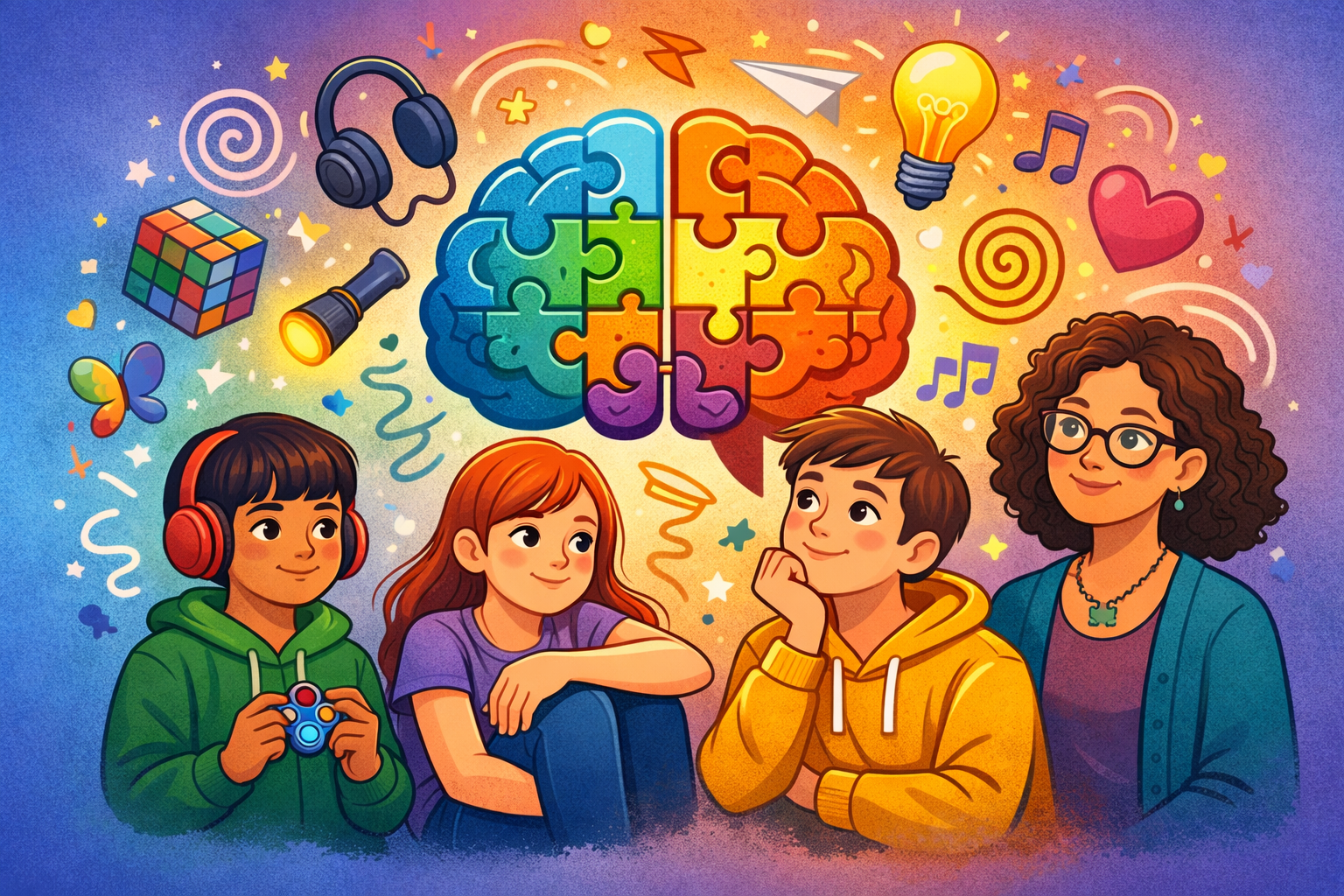
For many individuals—children, teens, and adults alike—life can feel intense, fast-moving, and overwhelming. Thoughts may race, emotions may feel big, sensory input may be difficult to filter, and expectations from the outside world may feel confusing or exhausting. For those who identify as AuDHD, meaning they experience both autistic and ADHD traits, this internal experience is not a flaw or failure—it is a reflection of how their brain and nervous system are wired.
AuDHD is not limited to adulthood. Many children and adolescents live with this dual neurodivergent experience long before they have language for it. Understanding AuDHD across developmental stages allows caregivers, educators, and clinicians to provide more compassionate and effective support while helping young people build a healthier relationship with their neurodivergence.
What Is AuDHD?
AuDHD refers to the co-occurrence of autism spectrum characteristics and attention-deficit/hyperactivity traits within the same individual. While autism and ADHD have historically been diagnosed separately, research and clinical understanding now recognize that the overlap between the two is common and meaningful (Vanderbilt University, n.d.).
Autism is often associated with differences in social communication, sensory processing, and preference for predictability, while ADHD involves differences in attention regulation, impulse control, and activity levels (Autistica, n.d.; Cleveland Clinic, n.d.). When these traits coexist, they interact in complex ways that shape how children learn, how teens relate to peers, and how adults navigate work, relationships, and daily life.
Why AuDHD Often Goes Unrecognized in Children and Teens
Many children with AuDHD do not fit neatly into diagnostic categories. A child may show autistic traits such as sensory sensitivities or social differences, while their ADHD traits—impulsivity, high energy, or distractibility—mask those features. Others may appear inattentive or behaviorally reactive and be diagnosed with ADHD while underlying autistic needs go unmet (Embrace Autism, n.d.).
Masking can begin early. Children and teens often learn which behaviors are acceptable in school or social settings and suppress parts of themselves to fit in. While this can help them navigate environments temporarily, long-term masking increases the risk of anxiety, burnout, emotional dysregulation, and identity confusion later in life.
Sensory Processing and Emotional Intensity at Different Ages
Across all ages, sensory processing differences are a core part of the AuDHD experience. Young children may struggle with loud classrooms, clothing textures, or transitions. Teens may feel overwhelmed by social environments, crowded hallways, or emotional expectations from peers. Adults may experience sensory overload in workplaces or family settings.
Emotional intensity is also common. AuDHD individuals often feel emotions deeply and quickly. A small disappointment can feel devastating to a child; a teen may experience heightened frustration or rejection sensitivity; an adult may feel emotionally flooded by stressors that seem manageable to others. These reactions are not behavioral problems—they are signals from a nervous system processing the world at full volume.
Executive Functioning and Daily Expectations
Executive functioning challenges often become more visible as expectations increase. Children may struggle with routines, transitions, or following multi-step instructions. Teens may have difficulty managing schoolwork, time, or organization despite being intellectually capable. Adults may experience ongoing challenges with planning, initiation, or follow-through.
Motivation in AuDHD brains is frequently interest-based, not importance-based. This means a child may hyperfocus on a preferred activity while avoiding homework, or a teen may excel in subjects they love while struggling elsewhere. Understanding this helps caregivers and educators shift from punishment to support and accommodation.
Social Connection and Misunderstanding
Social experiences can be particularly complex for AuDHD individuals. Children may struggle with peer dynamics, teens may feel misunderstood or isolated, and adults may feel socially “out of sync.” Autism can influence how social cues are interpreted, while ADHD can affect impulse control and conversational pacing.
These differences are often misread as intentional behavior or lack of effort. In reality, they reflect neurological processing styles. When adults respond with curiosity instead of correction, young people learn that they are accepted—not broken.
Strengths, Creativity, and Growth
AuDHD individuals across all ages often bring remarkable strengths: creativity, curiosity, deep empathy, originality, pattern recognition, and intense passion for interests. Children may be imaginative and inventive, teens may think outside the box, and adults may excel in problem-solving and innovation when supported appropriately.
Recognizing these strengths early helps children and teens develop positive self-concepts and reduces internalized shame. For adults, understanding AuDHD can reframe years of self-criticism into self-compassion and empowerment.
Moving Toward Support and Acceptance
Support for AuDHD individuals is most effective when it is neurodiversity-affirming. This means focusing on accommodations, emotional regulation, and self-understanding rather than forcing conformity. Therapy, family education, school support, and community connection can all play important roles.
AuDHD is not something to outgrow—it is a lifelong neurological experience. With understanding, validation, and appropriate support, children, teens, and adults with AuDHD can move from simply surviving to building lives that feel authentic, regulated, and fulfilling.
References:
Autistica. (n.d.). ADHD and autism.https://www.autistica.org.uk/what-is-autism/adhd-and-autism
Behavioral Innovations. (2025). The sudden rise of AuDHD.https://behavioral-innovations.com/blog/the-sudden-rise-of-audhd/
Cleveland Clinic. (n.d.). AuDHD: What it is and how it affects people.https://health.clevelandclinic.org/audhd
Embrace Autism. (n.d.). An introduction to AuDHD.https://embrace-autism.com/an-introduction-to-audhd/
Vanderbilt University. (n.d.). AuDHD: The hidden dynamics of a dual diagnosis.https://www.vanderbilt.edu/autismandinnovation/audhd-the-hidden-dynamics-of-a-dual-diagnosis/

January 15, 2026
Your Body Was Trying to Protect You:
The 4 Survival Responses
Fight, Flight, Freeze, and Fawn:
Every human carries within them an ancient biological survival system designed to keep us alive. When faced with danger—whether actual or perceived—our autonomic nervous system activates a set of instinctive responses historically referred to as fight, flight, and freeze (Simply Psychology, n.d.; Healthline, n.d.). More recently, clinicians and trauma researchers have expanded this model to include a fourth pattern called fawn, a strategy of appeasement that helps an individual reduce threat by pleasing or placating another (Psychology Today, 2020; Healthline, n.d.). These four responses are automatic, reflexive, and often outside conscious control. Learning about them can shed light on why you react to stress the way you do—and how healing can begin.
The Biology Behind Survival Responses
The brain’s primary job is survival, not happiness (Simply Psychology, n.d.). When the nervous system detects threat—whether it is obvious danger or emotional distress—the amygdala (the brain’s alarm center) signals the hypothalamus, which activates the sympathetic nervous system and releases stress hormones such as adrenaline and cortisol (AboutPlay Therapy, 2025). These hormones prepare the body for action before the thinking part of the brain (the prefrontal cortex) fully engages. As a result, our responses feel automatic and urgent, often bypassing deliberate thought (AboutPlay Therapy, 2025; Healthline, n.d.).
Fight Response: Confronting Threat
The fight response is activated when your body prepares to confront or overpower the perceived threat. In physical danger, this might look like aggression or assertiveness. In interpersonal or emotional contexts, it can manifest as anger, defensiveness, or the tendency to control situations as a way of attempting to feel safe (Healthline, n.d.). While fighting back can be adaptive in true emergencies, in everyday life it can show up as hostility, verbal outbursts, or overly aggressive boundary enforcement. Understanding the fight response helps people recognize when protection strategies from the past no longer serve them in the present.
Flight Response: Running or Avoiding
The flight response is activated when escape feels like the safest option. Physiologically, this allows the body to mobilize energy quickly to put distance between itself and danger (Simply Psychology, n.d.; Healthline, n.d.). In daily life, flight can appear as avoidance, procrastination, social withdrawal, or anxious agitation that propels one to flee stressful situations. While avoidance can be protective in real threat scenarios, chronic reliance on flight can contribute to anxiety patterns and problems with engagement and connection.
Freeze Response: Immobilization
When neither fighting nor fleeing feels possible, the nervous system may shift into freeze mode. This is characterized by physical immobility, numbness, dissociation, or the sensation of being “stuck” (Simply Psychology, n.d.; Healthline, n.d.). Unlike flight, freeze does not involve movement; instead, it is a kind of temporary paralysis in the face of danger. In social or emotional contexts, freeze may show up as an inability to speak, make decisions, or respond during conflict or stress. This response can be confusing to individuals who feel fine one moment and suddenly shut down the next.
Fawn Response: Appease to Survive
The fawn response is less well known but equally important. Coined in trauma work by Pete Walker and popularized in clinical writing, fawning involves appeasing or pleasing the threat in hopes of reducing harm (Psychology Today, 2020; Healthline, n.d.). This strategy is especially common in people who grew up adapting to unpredictable or unsafe caregivers. Fawning behaviors might include over agreeing, people-pleasing, ignoring personal needs, or suppressing authentic reactions to avoid conflict. Over time, these survival tactics can become internalized patterns that interfere with healthy relationships, boundaries, and self–identity (Psychology Today, 2020).
Why Understanding These Responses Matters
Recognizing your default survival pattern can be profoundly validating. Many people who have experienced neglect, abuse, unpredictable caregivers, or chronic stress report living in one or more of these modes for years without understanding why they react the way they do. For example, fawning, in particular, often goes unnamed in therapy and in everyday conversation, leaving individuals feeling confused about their people-pleasing tendencies until they learn there is a name and reason for it (Psychology Today, 2020).
It’s also important to note that these responses are not fixed or pathological—they are adaptive. They helped you survive. But when they are triggered in non-life-threatening situations, they can create emotional distress, relational discord, or compulsive coping patterns.
Moving toward Regulation and Healing
Understanding the 4Fs is the first step toward developing greater self-awareness and nervous system regulation. Practices such as mindfulness, grounding exercises, somatic therapies, and attuned therapy relationships can help individuals notice when these survival strategies activate and choose more adaptive responses over time.
Rather than shame or minimize your experience, recognizing the survival logic behind the fight, flight, freeze, and fawn responses allows space for compassion and growth. These reactions are not weaknesses—they are evidence of a nervous system doing its job under stress. Healing begins when awareness replaces confusion, and intentional self-care replaces automatic reactivity.
References
About Play Therapy. (2025). Fight, flight, freeze, fawn: How they may look in your child + supportive tips. https://aboutplaytherapy.com/fight-flight-freeze-fawn-how-they-may-look-in-your-child-supportive-tips/
Healthline. (n.d.). Fight, flight, freeze, or fawn? Understanding trauma responses. https://www.healthline.com/health/mental-health/fight-flight-freeze-fawn
Psychology Today. (2020). Understanding fight, flight, freeze, and the fawn response. https://www.psychologytoday.com/us/blog/addiction-and-recovery/202008/understanding-fight-flight-freeze-and-the-fawn-response
Simply Psychology. (n.d.). Fight, flight, freeze, fawn: How we respond to threats. https://www.simplypsychology.org/fight-flight-freeze-fawn.html

December 31, 2025
Trauma Bonding: When Survival Feels Like Love
Trauma bond is a term many people have heard by now—especially if you spend time on social media or follow mental health conversations online. While it’s often used casually, trauma bonding is a deeply complex psychological experience that deserves careful understanding.
At its core, trauma bonding is a powerful and unhealthy emotional attachment formed between a person and someone who harms them. This bond develops through repeated cycles of abuse, manipulation, and intermittent kindness. Over time, these cycles create a confusing mix of love, fear, hope, and dependence—making it incredibly difficult to leave the relationship. Many people mistake this intensity for true love or passion, when in reality, it is a survival response to ongoing trauma (The Hotline, n.d.; Reid, 2025).
What Trauma Bonding Really Is
Trauma bonding occurs when a person is repeatedly exposed to mistreatment followed by moments of care, remorse, or affection. These brief positive moments—apologies, promises to change, gifts, or emotional closeness—can feel like proof that the relationship is meaningful or salvageable. The mind clings to these moments, even as harm continues. This dynamic is most likely to develop in relationships where there is a significant imbalance of power, such as domestic violence, child abuse, cult involvement, or other coercive or controlling relationships. The person experiencing the abuse may rationalize harmful behavior, defend the abuser, or feel a strong sense of loyalty or responsibility to “fix” them. These responses are not signs of weakness—they are signs of survival.
How Trauma Bonds Form
Trauma bonds develop gradually through a combination of psychological, relational, and biological processes:
Cycles of Abuse and Affection
The relationship alternates between harm—emotional, psychological, or physical—and periods of affection or repair. This unpredictable pattern intensifies emotional attachment, as moments of kindness stand out sharply against the abuse.
Power Imbalance
The abuser often holds emotional, financial, physical, or social power, increasing dependence and limiting perceived options for safety or escape.
Intermittent Reinforcement
Because positive moments are unpredictable, the brain focuses on regaining the “good” experiences. This intermittent reinforcement strengthens hope and attachment, even in the presence of ongoing harm.
Love Bombing and Manipulation
A common tactic in trauma-bonded relationships is love bombing, where the abuser overwhelms the victim with excessive affection, attention, and grand gestures. This intense early phase creates rapid emotional intimacy and dependency. Once attachment forms, the abuser often shifts to devaluation or discard, reinforcing the emotional confusion that maintains the bond.
Breadcrumbing
Another tactic that reinforces trauma bonds is breadcrumbing, a behavior where someone provides intermittent, minimal attention to keep another person emotionally engaged without any intention of committing to a serious relationship. This can include flirty texts, social media likes, or sending memes—but often avoids meaningful interaction or concrete plans. Like the fairy tale of Hansel and Gretel, where breadcrumbs mark a path, these “crumbs” keep the recipient hooked without a real destination, creating confusion, hope, and dependence that strengthen the trauma bond.
Neurobiological Conditioning and Survival Responses
Trauma bonds are reinforced not only psychologically but biologically. Repeated cycles of fear, stress, and relief condition the brain to associate safety and connection with the very person causing harm. During moments of reconciliation or affection, the brain releases bonding chemicals such as oxytocin and dopamine, temporarily reducing distress and strengthening attachment. Over time, this trains the nervous system to seek closeness to the abuser as a way to regulate fear and emotional pain, even when the relationship is unsafe.
Where Trauma Bonding Occurs
Trauma bonding is not limited to romantic relationships. It can occur in many contexts, including:
Domestic or intimate partner violence
Child abuse and neglect
Cult or extremist group involvement
Kidnapping and human trafficking
Toxic friendships, family systems, or workplace dynamics
Any relationship characterized by fear, control, and intermittent care has the potential to create a trauma bond.
The Lasting Impact of Trauma Bonding
Trauma bonding can leave lasting emotional and psychological scars. Because these relationships often erode a person’s sense of identity, autonomy, and safety, survivors commonly experience symptoms associated with post-traumatic stress, depression, and complex trauma (C-PTSD).
Common effects may include:
Chronic self-doubt and low self-esteem
Difficulty trusting others or feeling safe in close relationships
Emotional numbness or dissociation
Intrusive memories, flashbacks, or persistent rumination
Avoidance of relationships—or repetition of familiar but harmful relational patterns
These responses are not character flaws or evidence of weakness. Rather, they reflect adaptive coping mechanisms developed in the face of ongoing emotional threat. What once helped someone survive an unsafe relationship may later interfere with well-being, connection, and self-trust (The Hotline, n.d.).
Why Trauma Bonds Are So Hard to Break
Leaving a trauma-bonded relationship is rarely as simple as “just walking away.” These bonds feel real because they are real to the nervous system.
The relationship feels like love, making the harm confusing
Fear of retaliation or abandonment may be very real
The brain becomes conditioned to seek the emotional “high” of reconciliation
Prolonged erosion of self-worth can leave survivors feeling incapable of surviving alone
For many people, the bond is not about wanting pain—it is about longing for safety, connection, and relief from emotional distress.
Immediate Steps Toward Healing and Creating Safety
While healing from trauma bonding is a gradual process, establishing safety is the first and most important step. This often involves practical, supportive actions that help disrupt the cycle and restore a sense of control.
Establish Boundaries or Limit Contact
Reducing or completely cutting contact with the abusive person—when possible—creates space for clarity and healing. Distance helps break the emotional cycle that reinforces the bond.
Create a Safety Plan
If leaving the relationship, it’s important to plan for physical, emotional, and financial safety. This may include identifying safe places to stay, securing important documents, or exploring legal protections when needed.
Build a Support Network
Connecting with trusted friends, family members, or support groups can provide validation, grounding, and a reality check when self-doubt arises. Healing rarely happens in isolation.
Practice Foundational Self-Care
Trauma depletes the nervous system. Prioritizing basic needs—such as sleep, nourishment, movement, and stress-reducing activities—helps rebuild internal stability and resilience.
These steps are not about “fixing” everything at once. They are about creating enough safety for healing to begin.
A Final Note
If you recognize yourself in any part of this experience, it’s important to know that trauma bonding is not a personal failure. It is a predictable psychological response to prolonged exposure to harm, instability, and fear. With support, compassion, and trauma-informed care, these patterns can be understood, softened, and healed.
Understanding trauma bonding is not about assigning blame. It is about restoring clarity, dignity, and choice to experiences that once felt impossible to explain.
References:
Attachment Project. (n.d.). The 7 stages of trauma bonding. AttachmentProject.com. https://www.attachmentproject.com/psychology/trauma-bonding/7-stages/
Psychology Today Staff. (n.d.-a). Breadcrumbing. PsychologyToday.com. https://www.psychologytoday.com/us/basics/breadcrumbing
Reid, S. (2025, October 2). Trauma bonding: How to recognize and cope. HelpGuide.org. https://www.helpguide.org/mental-health/ptsd-trauma/trauma-bonding
The Hotline. (n.d.). Trauma bonds: What are they and how can we overcome them? TheHotline.org. https://www.thehotline.org/resources/trauma-bonds-what-are-they-and-how-can-we-overcome-them/
Verywell Mind. (n.d.). Trauma bonding: Understanding trauma bonds and how they form. VerywellMind.com. https://www.verywellmind.com/trauma-bonding-5207136
WebMD. (n.d.). What is love bombing? WebMD. https://www.webmd.com/sex-relationships/what-is-love-bombing

April 7, 2025
Parenting Without a Handbook
Parenting is often described as one of the most rewarding experiences in life—and also one of the most complex. It can be fulfilling, meaningful, confusing, and at times overwhelming. Unlike many roles we take on, parenting does not come with a handbook that explains how to “do it right” or guarantees that mistakes won’t be made. As a result, many parents find themselves questioning their choices and worrying about the long-term impact of their decisions on their children.
In therapy sessions, parents frequently raise concerns such as: Do parenting styles really matter? What if I was raised by strict or emotionally unavailable parents? How do I parent gently without being permissive? What if I have my own trauma and fear passing it on? How do I co-parent when we are no longer together? These questions arise across many family structures, including blended families, adoptive families, foster care placements, and single-parent households. While providing basic needs such as food, shelter, safety, and love is essential, effective parenting requires more than meeting physical needs alone.
According to the National Academy of Sciences, parents hold four core responsibilities: maintaining children’s health and safety, supporting emotional well-being, fostering social competence, and preparing children intellectually. While these goals may sound straightforward, putting them into practice can feel daunting. One evidence-informed framework that helps translate these responsibilities into daily parenting behaviors is Dr. Christian Conte’s Four C’s of Parenting.
Dr. Christian Conte identifies Choices, Consequences, Consistency, and Compassion as foundational elements of effective parenting. Offering children age-appropriate choices promotes independence and responsibility, encouraging them to think critically rather than rely solely on direction. When children are allowed to make choices, they also learn that choices naturally lead to outcomes.
Compassion involves showing acceptance, affection, and emotional attunement, even when addressing misbehavior. Compassion allows parents to separate the child’s identity from their actions—communicating “I love you” while still addressing problematic behavior. This emotional safety is critical, as children learn and regulate best when they feel secure.
Consistency provides predictability and stability. Following through on expectations and limits helps children trust that their caregivers are reliable and credible. Inconsistent responses or unfulfilled threats can undermine parental authority and increase confusion. Finally, appropriate consequences help children understand that actions—positive or negative—have outcomes. Consequences should be developmentally appropriate, proportional, and intended to teach rather than punish. While children may react emotionally to consequences, these reactions are a normal part of learning and growth.
Perfect parenting does not exist. However, having a flexible roadmap can be incredibly helpful. Parenting with intention—keeping your child’s best interests in mind, striving not to repeat harmful patterns, and remaining open to learning—lays a strong foundation. Counseling can also be a valuable support, whether individually or with a co-parent or partner, offering guidance, reflection, and reassurance along the parenting journey..
References:
Breiner H, Ford M, & Gadsden VL. Parenting Matters: Supporting Parents of Children Ages 0-8. Washington (DC): National Academies Press (US); 2016 Nov 21. 2, Parenting Knowledge, Attitudes, and Practices. https://www.ncbi.nlm.nih.gov/books/NBK402020/
Conte, C. The Four C’s of Parenting. (n.d.). The Four C’s of Parenting - Dr. Christian Conte. https://www.drchristianconte.com/four-cs-parenting/

March 13, 2025
Anxiety in Uncertain Times
Uncertainty is an unavoidable part of daily life. From moment-to-moment questions—What will today bring? Will things go as planned?—to broader concerns involving political, economic, and social change, uncertainty exists at both the macro and micro levels. It can show up in our communities, our workplaces, our homes, and our families. As humans, we are biologically wired to seek safety, predictability, and control. When these needs are threatened, uncertainty can feel deeply unsettling. For many people, prolonged uncertainty triggers emotional and physiological stress responses. Feelings of fear, anxiety, mental exhaustion, and emotional overwhelm are common. Uncertainty often fuels “what-if” thinking, catastrophizing, and a sense of looming danger—even when no immediate threat is present. While some individuals enjoy unpredictability and risk-taking, others experience uncertainty as anxiety-provoking and destabilizing. If uncertainty feels overwhelming or all-consuming, it is important to know that you are not alone, and support is available.
The COVID-19 pandemic highlighted just how quickly circumstances can change. Many people experienced a loss of routine, structure, and perceived control almost overnight. In response, individuals prone to anxiety often found themselves mentally rehearsing every possible outcome in an effort to feel prepared. While this strategy may feel protective, excessive planning and rumination often increase anxiety rather than reduce it, keeping the nervous system in a constant state of alert.
Learning to tolerate uncertainty is not about ignoring reality or abandoning planning altogether. Rather, it involves developing emotional flexibility and building trust in your ability to cope—even when outcomes are unknown. The following strategies are evidence-informed approaches to managing anxiety and stress related to uncertainty:
1. Reduce baseline stress and anxiety
Lowering overall stress helps increase your capacity to tolerate uncertainty. Regular physical activity, adequate sleep, balanced nutrition, relaxation practices, and mindfulness or grounding exercises all support nervous system regulation. Therapy can also provide a safe space to explore fears, process emotions, and develop coping tools tailored to your needs.
2. Focus on what is within your control
Uncertainty often pulls attention toward what might happen rather than what is happening. Refocusing on actionable steps—your behaviors, boundaries, choices, and responses—can restore a sense of agency. Ask yourself: What can I influence right now? What do I know to be true today?
3. Challenge the need for certainty
Explore where your need for certainty originates. Is it rooted in past experiences, trauma, or learned beliefs about safety and control? Reflect on whether absolute certainty is realistic—or even necessary. Often, the pursuit of certainty creates more distress than the uncertainty itself.
4. Practice acceptance of uncertainty
Acceptance does not mean giving up or being unprepared. It means acknowledging that not every outcome can be anticipated or controlled. Identify situations or triggers that heighten your intolerance of uncertainty and take intentional steps to reduce unnecessary exposure when possible.
5. Limit exposure to distressing news
Continuous consumption of news—particularly during uncertain times—can amplify fear and anxiety. Consider setting boundaries around how often and when you engage with news media, especially before bedtime. Staying informed does not require constant exposure.
6. Cultivate gratitude
Gratitude is a powerful protective factor against stress and depressive symptoms. Begin with a simple gratitude list and add to it consistently. Over time, reviewing this list can help shift attention toward stability, resilience, and positive experiences that coexist alongside uncertainty.
7. Practice the “Three Good Things” exercise
At the end of each day, write down three positive things that occurred. Reflect on how they happened, what role you played, and how they made you feel. This practice strengthens emotional awareness and reinforces adaptive thinking patterns.
8. Reflect on past resilience
Remind yourself of previous challenges you have faced and overcome. How does your current situation compare? What coping strategies supported you then, and how might you apply them now? Recognizing your history of resilience can increase confidence in your ability to navigate the unknown.
Uncertainty is uncomfortable, but it is also a shared human experience. With the right tools and support, it is possible to build tolerance for the unknown and reduce the anxiety that often accompanies it. Therapy can be an important resource in this process, offering guidance, perspective, and strategies for managing uncertainty in a more balanced and compassionate way.
References:
Robinson, L & Smith, M. (n.d.). The role of uncertainty in life. Help Guide.org. https://www.helpguide.org/mental-health/anxiety/dealing-with-uncertainty
Seale, G. (n.d.). Best practices for managing stress and anxiety during times of uncertainty. Center for Neuro Skills. https://biausa.org/public-affairs/media/managing-stress-and-anxiety-during-times-of-uncertainty